Article
everest base camp tips
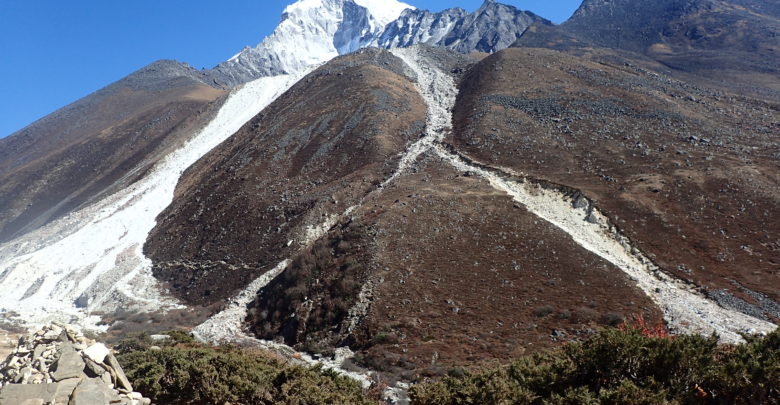
Nepal is a land known for its magnificent mountains, its culture and its people. In the North lie the glorious Himalayas, standing ever tall and proud among the Sherpas’ who protect and worship them as their mothers. Nepal offers trekking in the most spectacular areas by allowing you to find peace within self by meditation and being amidst nature. One of the biggest offering Nepal gives is its abundance in natural beauty. From climbing to trekking, Nepal is a place where you can climb the highest peak in the north and also get down in the south to relax among the animals in Chitwan.
The travelers will see drastic change between their city life and that in Nepal since it is one of the developing countries in Asia. Nevertheless, the warmth in the culture of the people and the beautiful surrounding around you will definitely make your trip worth. Modern Nepal is a diverse place with a lot of advanced facilities. Yet, the rural areas of Nepal still holds its charm on taking you back in time amidst the mountain range. Nepal is gaining its popularity among mountaineers and backpackers as well as tourists who are looking for a vacation and ready to fall in love with nature. If you’re planning for your next epic adventure in Nepal here is a sneak peak for the pre-planning, the environment in Kathmandu and what to expect during the trek.
Before you arrive:
Pre-planning is crucial during every travel. Choosing the right country according to the culture, experience and lifestyle is important. If you decide to choose Nepal as your travel destination, the next planning you would probably like to do is to choose the correct travel agency. Nepal has always been an attraction due to Mt. Everest residing in the country. Although there was a fluctuation in the economy because of the 2015 earthquake, the growth of travel and tourism companies in Nepal has slowly picked up its pace. Travel agencies now provide you with the best facilities and luxuries including your personal guide and private transportation. But perhaps what you need from your agency would be an assurance of safety while giving you the best time in your entire trip. Picking a trusted and sustainable agency is perhaps the most important thing to do while planning your trek in Nepal. Another concern an agency should have is about “socially responsible travel”. A responsible travel agency should be aware about the issues Nepal currently faces while contributing to make it better with sustainable development from the tourism sector. There are a lot of agencies providing Base Camp treks but picking the one with good ratings, certification and of course consulting in forums or friends is recommended.
Being ready physically for a trek like Everest is pivotal, nevertheless understanding the psychological side of it is also important. One needs to understand the hardships he/she has to face during the trek; from adapting to the altitude to adapting to the culture. It is definitely not easy but once you understand the sagacity and embrace the experience, it will be worth every penny, every step and every second you spend here. Prepare yourself physically for the challenge, but don’t forget to prepare yourself mentally.
More emphasis can probably not be kept when someone tells you that Nepal has a lot to offer. From exploring Kathmandu’s UNESCO World Heritage Sites to taking a safari tour in Chitwan National Park, Nepal is a diverse land with both peaks and flat terrain. Thus, besides the glorious Everest trek, take few extra days off to travel around other parts of Nepal like Kathmandu, Pokhara, Lumbini and Chitwan. You can also take a step back from these popular destinations and visit other sites in the Far East or Far West. Visit our “Nepal Tours” page for more information.
Another concern a lot of travelers have is about the flight booking. You might be browsing through a lot of websites to understand the deals between airlines flights and booking options for your flight to Nepal. The only international airport is situated in Kathmandu called the Tribhuvan International Airport. Autumn and spring is the tourist high season so the booking must be done few months prior to your travel date. Airfares depend on the time of year, but timings of the high, low and shoulder seasons are calculated differently by each airline, and may not always coincide with tourist seasons. Booking in advance is always a good choice no matter what part of the world you are travelling to. There are also offers set on by various airlines so subscription to these deals will let you notified on when the flights have the most reasonable price.
There are 13 Airlines operating flights to Nepal with/ without a transit flight including Qatar, Etihad, Malaysia, Cathay Pacific, Jet and Thai Airways.
If you are traveling to Nepal from India, you can also enter the border through various checkpoints. Click here to view the borders areas where you can make the entry to Nepal.
Trekking can be a life changing experience but one should never neglect the fact that anytime anything can go wrong. Trekking in the Himalayas can definitely be challenging and one should not ignore the fact that it might be risky. Travel insurance is a must while trekking to the Everest Base Camp. A lot of people suffer from altitude sickness while trekking in the Himalayas since they are not accustomed to the height. Other people face injuries like sprained ankles or broken bones, hypothermia, skin infections or respiratory infections. If any of these happen to you up in the mountains then you’re probably going to want to get to a nearby hospital fast. Your agency will also want you to be insured with a helicopter evacuation included for Everest Base Camp which covers altitude of 5000m+.
After selecting your travel agency, you need to be in constant communication with them. Let your agency know what you are expecting out of the trek so that they can customize it according to your prospect. Ask your agency questions on the culture, what to expect, transfers and also ask them to communicate you with your guide.
In terms of budget, be smart about spending your money. In the capital you can find expensive flashy restaurants which are tourist targeted. But there are also places to eat and stay which will cover your minimal budget. Using ATMs may charge a bit extra for transaction fees so carry enough money so that you can pay for your miscellaneous such as Sim card. It is also advisable to carry your cash in different places so that if you lose or misplace one, the others are safe. There are many Money exchange stations in Thamel where you can exchange you currency according to the current day rate.
Around Kathmandu
Kathmandu is bigger than you assume and is filled with temples, stupas, shrines and historical sites. Thamel is a beehive for most of the trekkers and backpackers with most of the facilities available for westerners. Kathmandu is the starting point of most of the treks as most of you will land in Kathmandu International Airport if you are getting here by flight. You might have to carry your own trekking gears while travelling to Everest Base Camp. Kathmandu has many trekking gears and apparel shops where you can make your purchase in a reasonable price. Apparel like fleece jacket, down jacket, sweat proof t-shirt and trekking pants are easily available in Kathmandu. Necessary gears like headlight, sunglasses, boots and rain jacket should also be taken care of while trekking in the Everest region. Click here to check the list of clothing and gears you will need while trekking the Everest Base Camp. While communicating with your trekking guide, make sure he checks your baggage so that you will take everything you may need during the trek while avoiding unnecessary weight. If you have extra baggage, don’t hesitate to ask your hotel or your travel agency to look after you extra baggage while you are gone for the trek. Make sure they are trusted and reliable. It is also helpful if you learn the basic Nepali language like “Namaste” (Hello) and “Dhanyabadh” (Thankyou) which will be helpful even during the trek. You can buy a handbook to guide you through basic Nepali or you can also learn it from your guide. Speaking Nepali with eh locals will definitely make them smile and you might also get away with an easy bargain!
On the EBC trail:
One can never predict anything during the trek mainly because of the weather and the altitude. The trek requires cardiovascular endurance, strength and hiking specific training. While going uphill, walking slowly and steady without rushing is recommended. After all, you need to enjoy the walk and appreciate your surrounding by taking few pictures along the way. Remember you are on a holiday and you need to enjoy yourself! It is also utterly important to stay hydrated throughout the trek. It is recommended to get a bottle with a water pipe attached to your backpack so that it’s easier for you to reach your water while walking. At higher levels of altitude, your body will dehydrate much quicker than it will at sea level, and you will have to make sure you are drinking plenty of water to compensate. You might also get little headaches which is completely normal in such high altitude. Again, hydrating yourself is the major principle.
Acclimatization is important since a lot of trekkers tend to have altitude sickness during the trek when they reach a certain level of height. There is also a mantra among the trekkers that says “climbing high, sleeping low”. It means you can climb a certain level of altitude as long as you sleep in a low altitude. Since Everest base Camp has a lot of ascend and incline, you might be walking for maximum of 8-9 hours a day but always opt to rest at low altitude whenever possible.
It is also recommended to stay away from the sun as much as possible. The higher you go up in altitude, the lower the levels of UV Protection you are getting. Some days on the trail, the sun can be brutal, giving you solar radiation from its powerful rays. Be sure to bring your sunscreen with a good amount of SPF and sunglasses. You can also buy them at stores in Kathmandu.
Being vegetarian is probably another helpful advice while you are trekking in Everest region. Although the yak steak might look tempting and juicy, they have been stored for days as they bring the meat from lower region due to the “non-killing” policy in the Everest region. They might not be very healthy to eat and will also save you money. The glacier water is also not safe to drink although the locals might say so. Thus, it is important for you to carry your own water/ water purifier or buy bottled water.
You might imagine Everest to be a backward region of Nepal but it is perhaps one of the most developed. With the inflow of tourist, you will notice abundance of facilities from hot shower, electric blanket to WiFi and network availability, but will cost you money. For your power banks and camera batteries, you will need to keep them warm as they lose power rapidly due to the cold. It is recommended to wrap them around your clothing inside your bag when not in use.
Better to be prepared than sorry! After you have laid the groundwork, you are now ready to go travel to the most adventurous part of the world. Nepal is waiting for your next epic adventure. Are you ready?


