Article
Annapurna base camp trek Difficulty
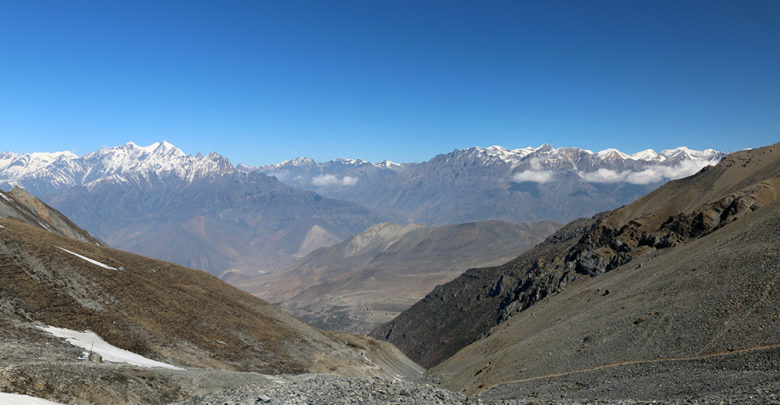
Although Annapurna Base Camp is regarded as an easy trek, trekkers still need to work on taking precautions, being aware of the current situation and be prepared for the trek. Annapurna Base Camp lies on the Annapurna Region in the North West of Nepal. Considered as one of the most popular trek, it has gained it’s popularity even more after the 2015 earthquake when the area was considered as safe and not much destructions occurred. Known for its diversified trekking route consisting of both greens from the grassland and vegetation to whites from the Himalayan massifs, Annapurna is visited by hundreds of trekkers every year. Some cherish it for its diverse beauty while some cherish it for the warm hearted and welcoming locals.
Before the Trek
Some tips to ponder on before initiating for the Annapurna Base Camp Trek:
- It is advisable to go on hikes and have some level of experience to make it easy to adapt the 7-8 hours long walks you will be doing everyday during the base camp trek.
- Regular exercise to built up stamina and endurance for the uphill and downhill.
- Whole body checkup is also advisable before leaving for the trek to make sure your health is in good condition.
- It is strongly advisable to stop smoking to improve your performance.
- Keeping updated with recent news about the trekking region will also help in giving recent information.
- Physical preparation is important. Nevertheless, mental preparation is also equally necessary. As alluring and adventurous travelling can be, it is also always challenging to enter a new country, in a different culture and with different people. Thus, both physical and mental preparation is advised.
During the Trek
- Walking in a continuous pace will help in feeling less fatigue as it tricks the body to do a monotonous activity.
- Drinking lots of water to keep your body hydrated.
- Taking vitamins if necessary.
- Following the trail lead by your guide and not going off track; a lot of accidents have been caused by trekkers taking dangerous shortcuts or wandering off trail with turned out to be fatal.
- Taking rests and water breaks is advisable during the time of trekking.
- Proper planning is a must. Thus, meeting with your guide beforehand and discussing on the route, itinerary and difficulty level is necessary.
- Being aware of the food and water facilities in the trek and making arrangements if it is not according to your requirements.
- Taking time to acclimatize is a must. The most difficulty during the trek is to get used to the altitude for travelers who are not used to much altitude. Thus, acclimating is crucial. During the “Rest days” you can also visit nearby attractions to get used to the altitude.
- While going downhill, make sure you don’t hurt your knee too much.
- Take breaks when required and try to understand your body as it adapts itself to new environment.