Uncategorized
Everest Base Camp Difficulty: How Hard is the Everest Base Camp Trek?
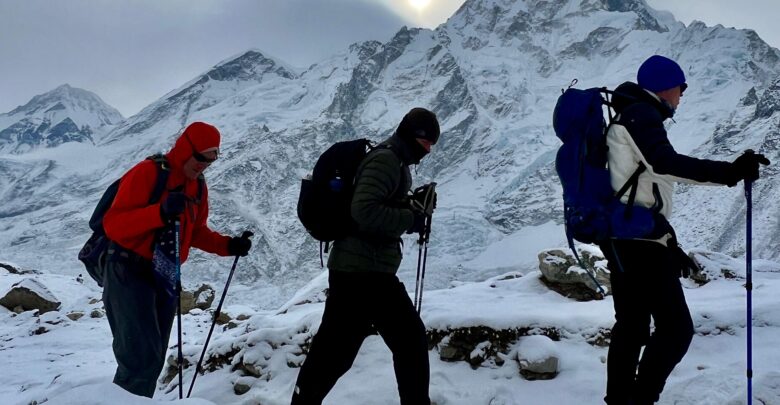
Trekking to Everest Base Camp (EBC) is a dream for many adventure lovers around the world. Standing at the base of the world’s highest mountain (Mount Everest (8,848.86m), is a big achievement. But before starting the journey, most people ask the same question:
How hard is the Everest Base Camp trek?
Can I really do it?
Is the Everest Base Camp Trek Very Hard?
- No, it’s not very hard, but it’s also not very easy.
- The Everest Base Camp trek is considered “moderate to Difficult” in difficulty. It means you don’t need to be a mountaineer, but you must be physically fit, mentally strong, and well prepared.
Many people from age 12 to 70+ have successfully completed this trek.
What Makes the Trek Challenging?
- High Altitude:
The biggest challenge is the altitude. You start at Lukla (2,860 meters) and reach up to Everest Base Camp (5,364 meters). As you go higher, there is less oxygen in the air, which can make you feel tired, dizzy, or sick. This is called Altitude Sickness.
How to stay safe:
- Walk slowly
- Take rest days to acclimatize (adjust to the altitude)
- Drink plenty of water
- Avoid alcohol and smoking
- Walking Long Hours Each Day
You will be walking 6 to 7 hours every day for about 12 days. Some trails are steep, and some are rocky. You’ll also walk through Local village, rivers, and mountains.
How to prepare:
- Start walking or hiking at home at least 1–2 months before the trek
- Practice walking with a small backpack
- Do cardio exercise like running, cycling, or swimming
- Cold Weather
The weather becomes colder as you go higher. At night, temperatures can go below freezing. During the day, it’s usually sunny and pleasant in spring and autumn.
What to do:
- Wear warm clothes in layers
- Use a good sleeping bag
- Bring gloves, a hat, and a warm jacket
- Rough Trails and Terrain
The trail is not flat. You will go up and down many hills, cross suspension bridges, and walk on rocky paths. But the views of mountains, rivers, and villages make it all worth it.
Good to know:
- The trail is well-marked and safe
- You don’t need climbing skills or ropes
- Guides and porters can help you
Who Can Do the Everest Base Camp Trek?
- First-time trekkers: Yes, if you prepare in advance
- Senior Citizens trekkers: Yes, if you’re healthy and fit
- Teenagers: Yes, with family or guide
- Solo travelers: Safe if done with a guide or group
You don’t need to be an athlete, but you do need to be in good health and have strong determination.
Best Time to Do the Trek:
The best seasons for the Everest Base Camp trek are:
Spring (March to May)
Clear skies, warm days, blooming rhododendrons
Autumn (September to December)
Fresh air, great views, less chance of rain
Avoid:
Monsoon (June to August) – Wet, muddy trails, poor visibility
Winter (Mid-December to February) – Cold and snowy at high altitudes but clear visibility
How to Make the Trek Easier
✅ Go with a guide and porter:
A guide helps you stay on the right track and manage your pace. A porter carries your heavy bag, so you only carry a small daypack.
✅ Choose a 12–14 day itinerary:
Don’t rush. A slow and steady trek helps your body adjust to the altitude and reduces the risk of sickness.
✅ Stay hydrated and eat well:
Drink 3–4 liters of water daily. Eat hot meals and avoid junk food.
✅ Pack wisely:
Bring only what you need. Don’t carry too much weight.
Final Thoughts: Is the Trek Worth the Effort?
Yes, 100% yes!
The Everest Base Camp trek is a bit tough but it is one of the most rewarding and memorable experiences in life.
You’ll enjoy:
- Close views of Mt. Everest, Lhotse, Nuptse, Ama-dablam, Pumari and other Himalayas
- Sherpa villages and Buddhist culture
- Adventure, peace, and natural beauty
With the right preparation, a positive attitude, and the help of a trusted guide, you can definitely complete the trek.
Quick Summary Table:
Trek Difficulty: Moderate to Difficult
Highest Point: 5,545 meters (Kalapatthar)
Trek Duration: 12 to 14 days
Daily Walking Time: 6 to 7 hours
Trail Type: Rocky, steep, uneven
Altitude Sickness Risk: Yes, need slow acclimatization
Best Seasons: Spring & Autumn
Suitable For: Anyone with basic fitness
Technical Skills Needed: None
Need Help Planning Your EBC Trek?
If you’re planning to do the Everest Base Camp trek and want a safe, comfortable, and affordable trip, we’re here to help.
Contact us for a customized EBC trekking package with local guides, porters, and flexible itineraries that match your pace and comfort.
Whether you’re looking for another trek in the Everest region, or a new adventure in a different part of Nepal, Remote Trek in Nepal, Annapurna Region Trek, Langtang Region Trek or, Peak Climbing in Nepal we invite you to explore our other exciting trekking packages.